 01
Mineral identification
Infrared spectroscopy read against a reference library — what separates natural quartz from glass, resin and dyed substitutes.
- Applies to
- All gemstones
- Catches
- Glass · Resin · Dyed stone
01 — The house
Most of this category runs on claims. We buy rough at the source, send every batch to a third-party lab, and file what comes back — the passes and the failures both. The stone in your hand has a reference, and the reference has a document behind it.
Since 2019
Failed assay, sent back
Before anything is strung
Between plates
Everystoneistakenapart,measuredandwrittendownbeforeitiseverstrung.
02 — Protocol
4 tests · Lot 2026—04
Every batch goes to a third-party lab before a single bead is strung. These are the four readings taken, what each one applies to, and the substitution each is there to catch.
01Infrared spectroscopy read against a reference library — what separates natural quartz from glass, resin and dyed substitutes.
 02
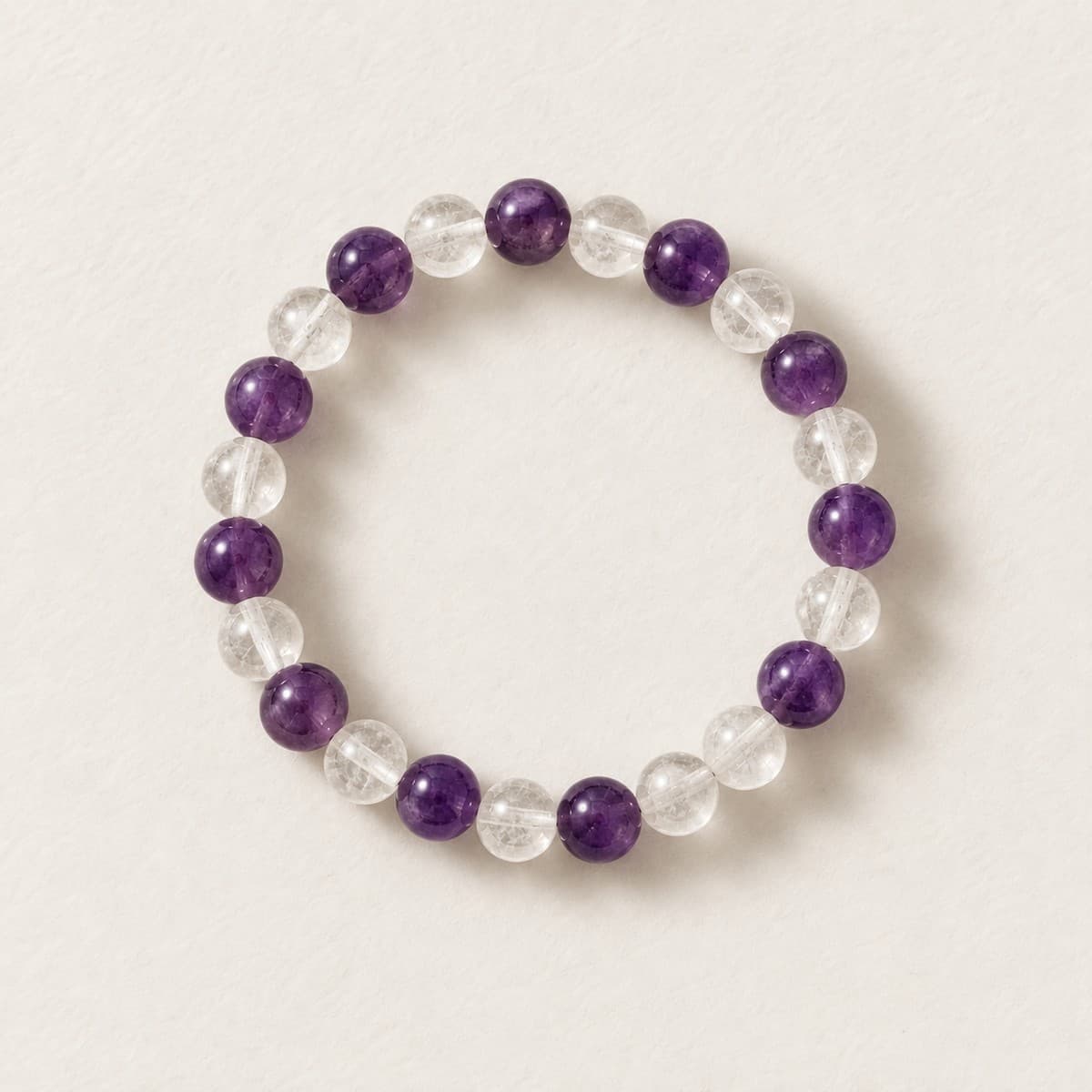
Magnification and spectroscopy for dye, irradiation and heat. Treated stones are disclosed, never sold as untreated.
 03
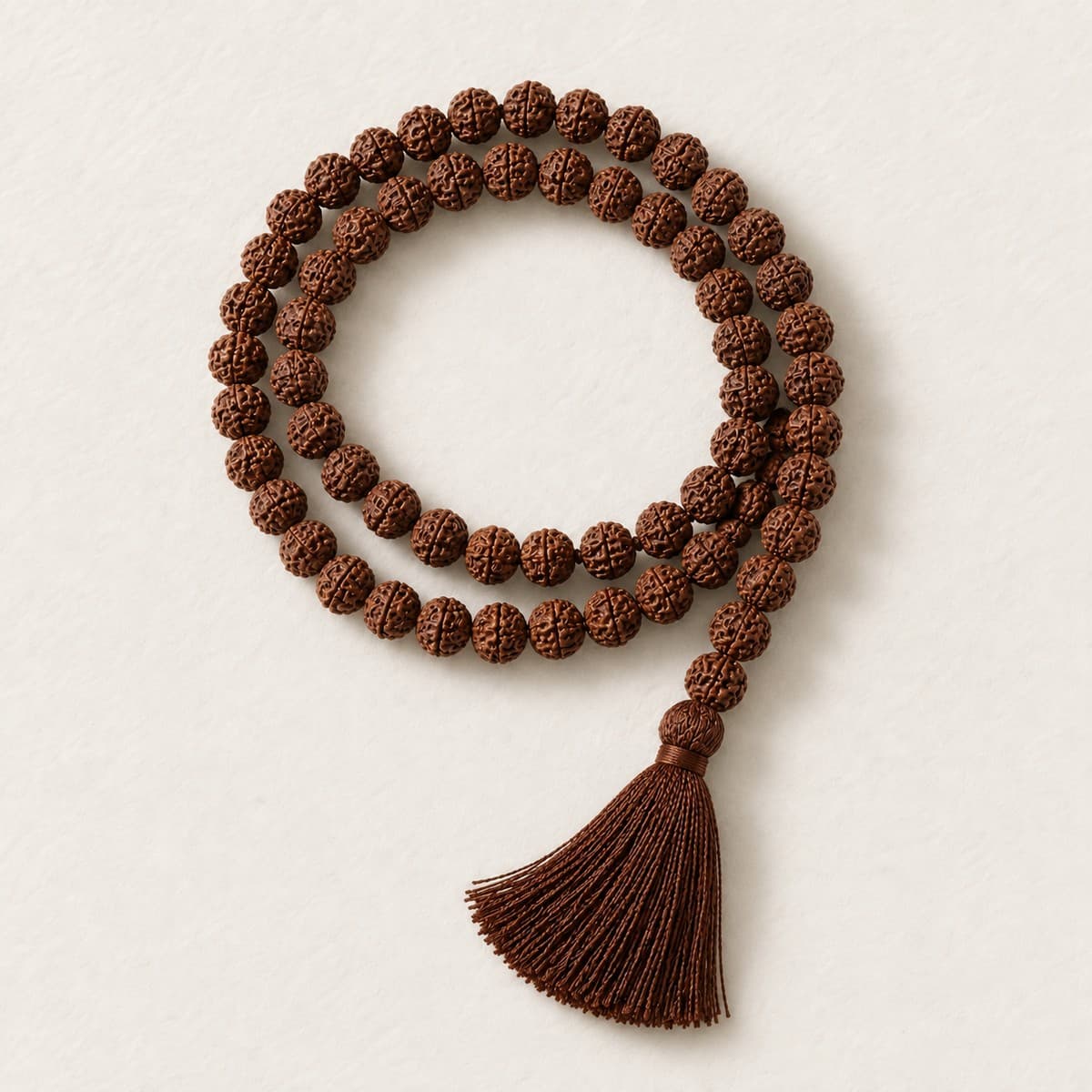
X-ray for an intact natural hollow and an unbroken mukhi count — the two most common frauds in the rudraksha trade.
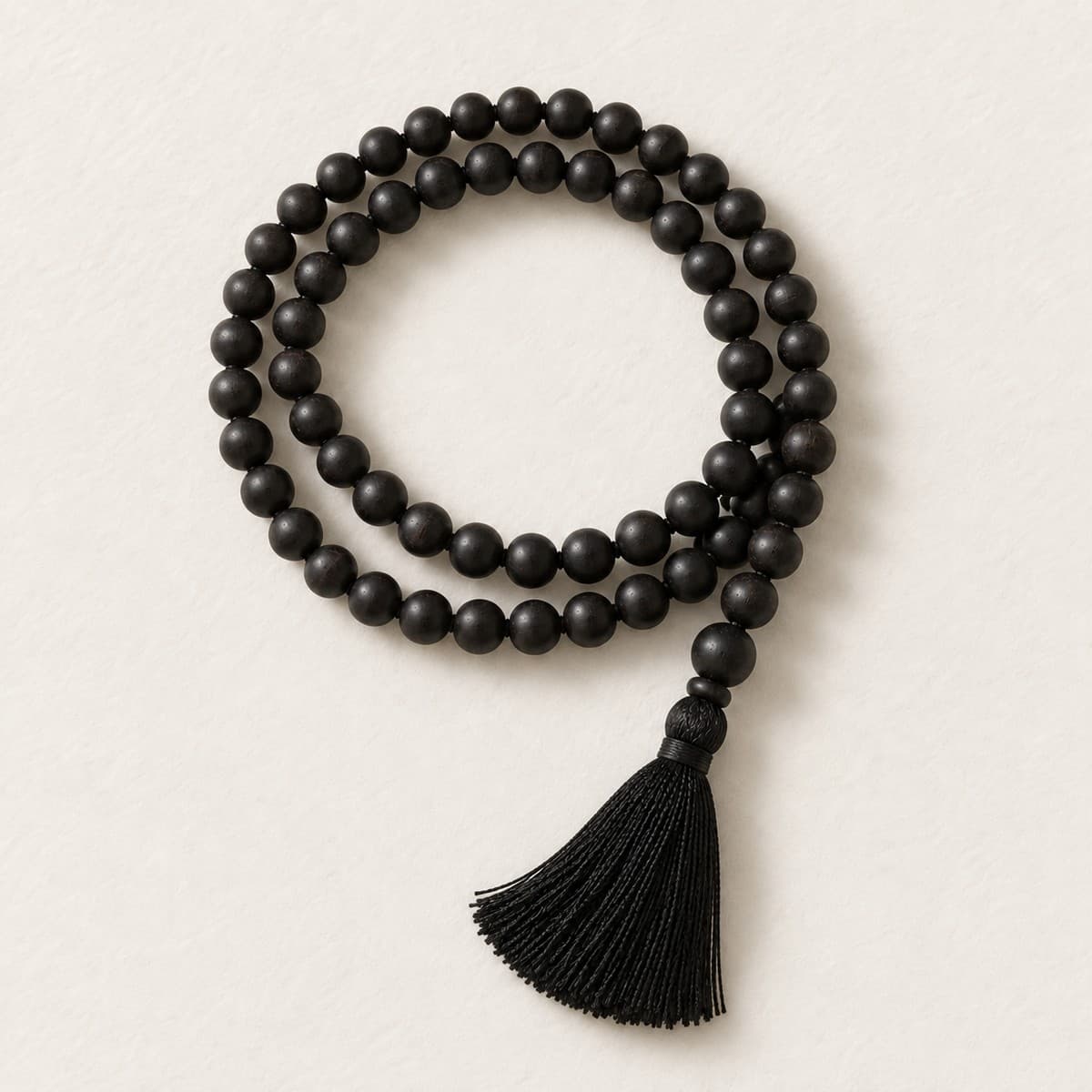
04Water displacement against known specific gravity. Genuine ebony heartwood sinks; stained softwood floats.
03 — Record
The last six lots assayed, including the one we sent back. Every code here is searchable on the site.
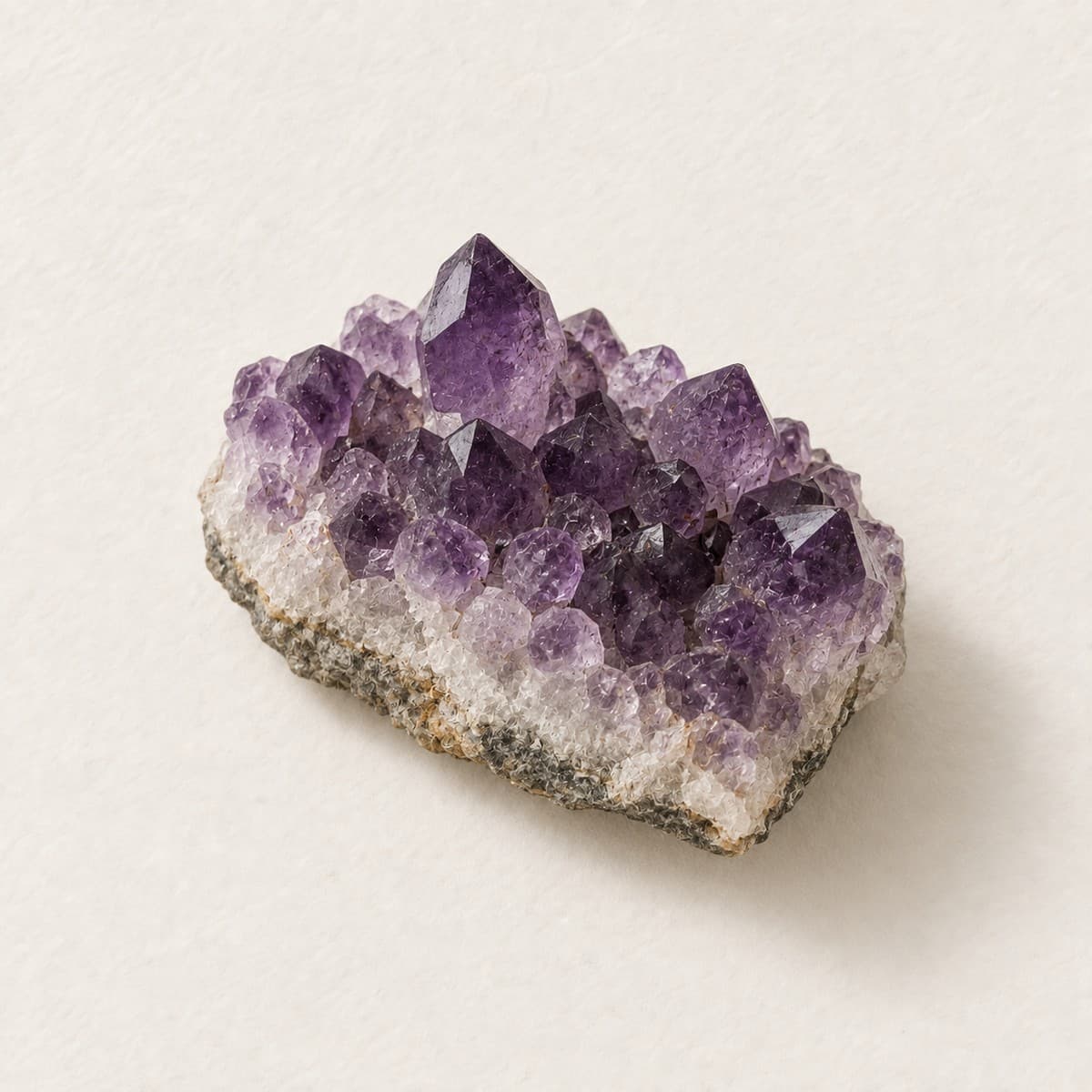
Amethyst
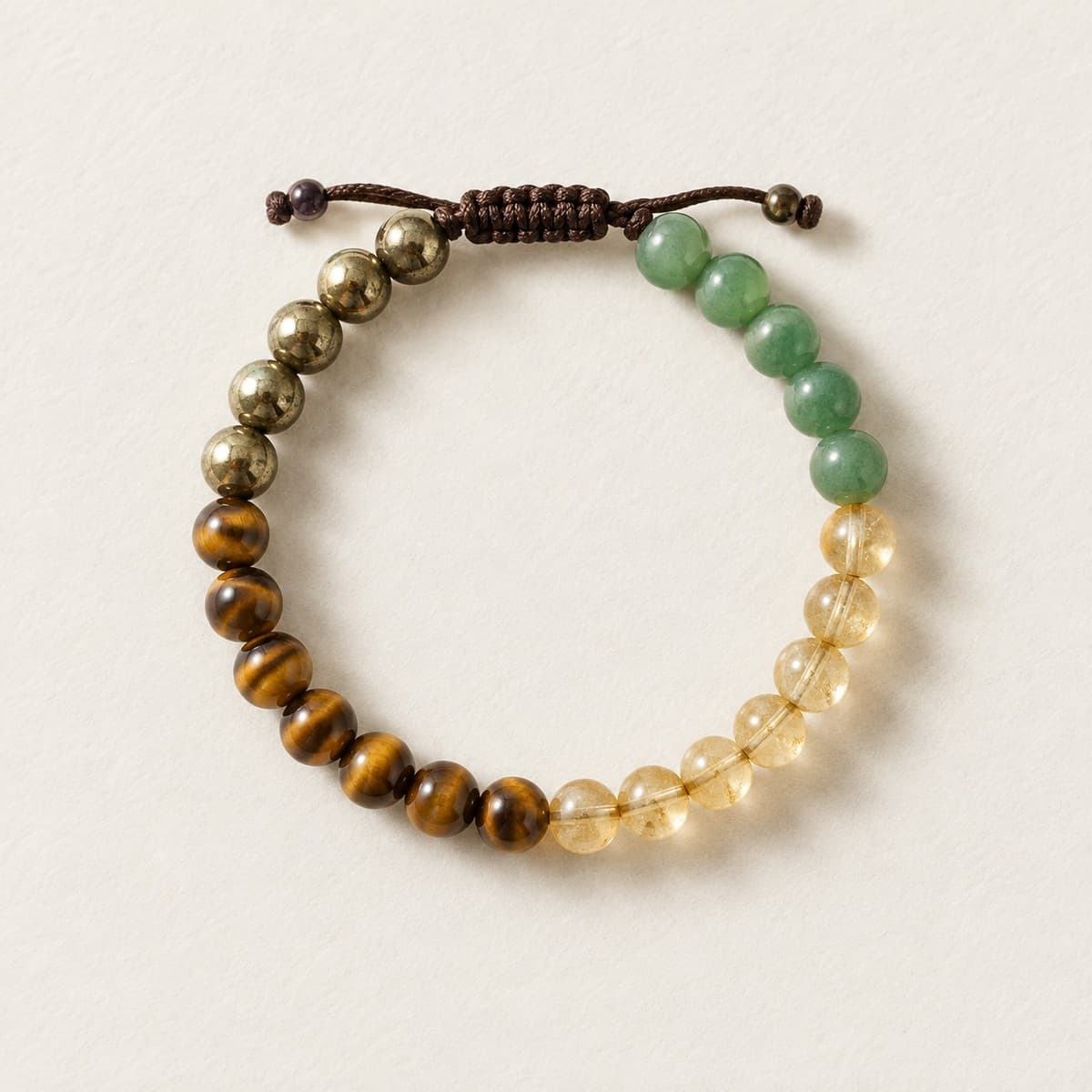
Pyrite
Rudraksha, 5 mukhi
Karungali ebony
Tiger eye
Rock crystal
Lot BTR-2026-TGE-0326 returned to supplier — dye detected on 4 of 60 beads.
Start from what you want to shift and how you want to carry it.
Carrying
Wearing
Your match
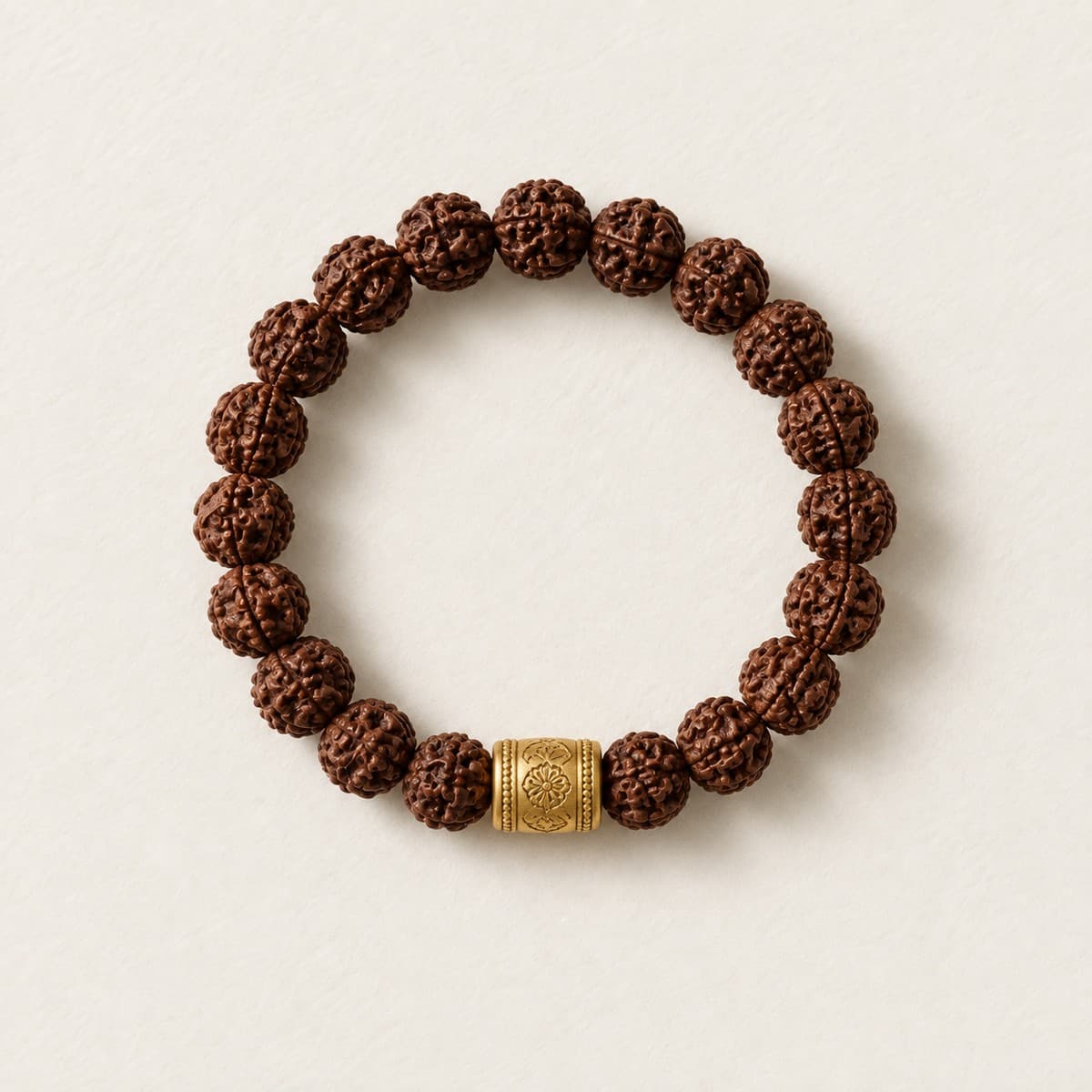
Rudraksha
Five-mukhi Nepali rudraksha capped in 24K gold plating. Traditional bead, contemporary silhouette.
Appendix — Species index
12 listed